
Let's put the hemp in the closet... so we can wear it!
The modern world is seeking eco-friendly alternatives to synthetic materials that will help reduce humanity’s negative impact on the natural environment. Hemp is gaining popularity as a sustainable raw material with many applications, and hemp textiles have become the foundation upon which we built Kombinat.
Thanks to its unique properties, hemp fiber is increasingly chosen by people seeking durable materials that are safe for the skin and the environment. In this article, we’ll explore the potential of this raw material and its applications in everyday clothing.
Table of Contents:
- Hemp cultivation: nearly environmentally neutral
- Traditional hemp dew-curing: a 21st-century solution
- Environmental impact comparison: hemp vs. synthetics
- Durability and strength: characteristic features of hemp textiles
- Breathability and thermoregulation: comfort in all conditions
- Antibacterial properties: natural freshness
- Hemp wardrobe: from sweaters to hats
- The future of hemp in fashion
Hemp cultivation: nearly environmentally neutral
Hemp fabric production stands out in the textile industry for its low environmental impact. Hemp grows quickly and is often cultivated without the use of pesticides, which benefits the soil and surrounding ecosystems.
Unlike the production of synthetic fibers, hemp processing places a much lighter burden on the planet. The production of polyester—which dominates our closets—relies on petroleum-based raw materials, generating enormous amounts of waste and greenhouse gas emissions.
Traditional hemp retting: a 21st-century solution
At Kombinat, we use an eco-friendly approach to hemp processing, which involves natural retting in the fields.
Scouring is a traditional process aimed at separating the fibers from the woody parts of the stem. It involves the natural breakdown of pectins under the influence of microorganisms and moisture.
Natural retting in the fields reduces water consumption and does not require intensive energy use, making hemp an even more eco-friendly raw material. It is precisely this combination of traditional methods and modern environmental awareness that allows us to create textiles that are both planet-friendly and functional.
Environmental Impact Comparison: Hemp vs. Synthetics
| Criterion | Hemp fibers | Synthetic fibers |
|---|---|---|
| Raw material | Natural plant (renewable) | Petroleum-based raw materials (non-renewable) |
| Impact on soil | Purifies and regenerates | Negative, potential for contamination |
| Water consumption | Moderate | Very high |
| Pesticide use | Minimal or none | Not applicable |
| CO₂ emissions | Low | Very high |
| Post-consumer degradation | Natural biodegradation | Decomposition takes hundreds of years |
| Health impact | Beneficial to the skin | Potentially harmful microplastics |
By choosing clothing made from hemp materials, you contribute to reducing the textile industry’s negative impact on the environment.
Durability and Strength: Characteristics of Hemp Textiles
Hemp materials are distinguished by their exceptional durability and resistance to mechanical damage. Hemp fibers are significantly more resistant to abrasion than cotton or linen, making them ideal for enhancing the composition of a given material.
In the past, these properties of hemp were particularly prized by manufacturers of ropes and sails—which were exposed to damage under the harshest maritime conditions. Today, these same characteristics ensure that clothing containing hemp retains its shape and appearance for much longer.
Clothing made with hemp fiber is less prone to wear and tear, making it a sensible choice for those who value durability while maintaining a high level of comfort.
Breathability and thermoregulation: comfort in all conditions
Hemp fibers are highly breathable, making them an ideal base for year-round clothing. Hemp’s breathability allows the skin to breathe naturally, ensuring comfort and a dry feeling even in challenging conditions.
For this reason, hemp works great in the production of sweaters and hats—it provides warmth in winter without causing overheating or excessive sweating. Thermoregulatory properties are among the most sought-after features by customers—you won’t find them in synthetic products, which are typically characterized by very low breathability.
If hemp fiber were to embody a philosophy, it would certainly be yin and yang—the perfect balance between warmth and breathability.
Bacteriostatic Properties: Natural Freshness
Although hemp is not strictly antibacterial, it possesses bacteriostatic properties—it inhibits the growth of bacteria, which is particularly beneficial for clothing that comes into direct contact with the skin. As a result, hemp fabrics can be more hygienic and provide a longer-lasting feeling of freshness.
Clothing made with hemp fiber will not emit or absorb unpleasant sweat odors even after a full day of wear—it’s a natural alternative to the chemical treatments used in synthetic materials. Hemp Wardrobe: From Sweaters to Hats
The versatility of hemp means it can be used in a wide variety of clothing items that meet the needs of those seeking durable, eco-friendly, and skin-friendly solutions.
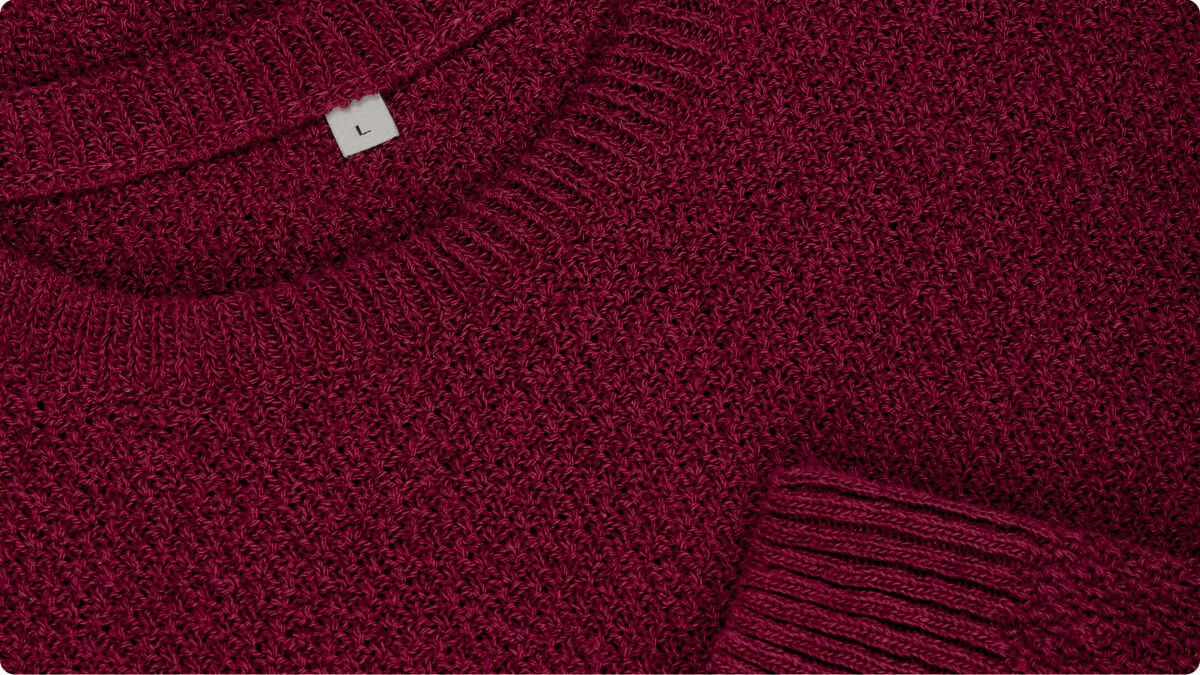
Our hemp sweaters are the perfect combination of durability, comfort, and eco-friendliness. Made from a blend of fibers, they provide warmth on cooler days while allowing the skin to breathe.
Hemp shopping bags are durable, stylish, and eco-friendly alternatives to traditional plastic bags. They’re perfect for both shopping and everyday use, serving as a statement of conscious consumer choices.
Hemp is also used in headwear, such as our hats, which combine functionality with a unique character. Thanks to hemp’s thermoregulatory properties, these hats ensure comfort regardless of weather conditions.
The Future of Hemp in Fashion
By choosing products made from hemp, we support a more eco-friendly approach to life. Hemp cultivation generates a significantly smaller carbon footprint than the production of many other materials, and the plant itself naturally supports soil regeneration.
Hemp textiles are not just a passing trend, but a real answer to the growing demand for sustainable and functional products. By choosing clothing made with hemp, we’re investing in garments that have a positive impact on our health and the planet.
At Kombinat, we don’t just talk about hemp’s potential—we put it into practice by creating clothing that blends tradition with innovation—exactly as our motto says: Backward. Forward.
Instead of following the well-trodden paths of fast fashion, we create products that truly transform the apparel market. We believe that through such initiatives, hemp can fully realize its potential as an eco-friendly alternative to currently widely used materials.
Join us on this journey toward a more sustainable future for fashion by choosing clothing that’s good for both you and the planet.